MIM-23 HAWK Air Defense Missile: Retiring After 39 Years of Service
MIM-23 HAWK Air Defense Missile: Retiring After 39 Years of Service
Introduction
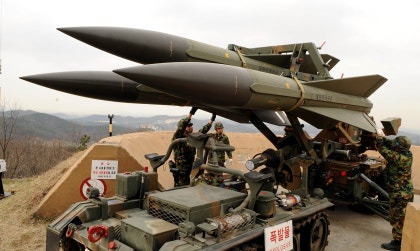
The HAWK missile, a critical air defense system that has protected South Korea's airspace for 39 years, officially retired on July 5, 2024. The 2970th unit under the 1st Air Defense Missile Brigade (1st Brigade) announced, "The automated fire control equipment of the HAWK missile, which has played a crucial role in defending South Korea's airspace for 39 years, retired with a termination ceremony at the Air Defense Operations Control Center on this day." This marks the end of an era as the HAWK missile system is replaced by the new air defense system, Cheongung.
History and Role of the HAWK Missile
The HAWK missile automated fire control equipment (AN/TSQ-73) was first introduced to the South Korean military in 1983. Although 'Hawk' means 'falcon', the name of the missile system stands for 'Homing All the Way Killer'. This name reflects its mission to accurately track and destroy enemy aircraft.
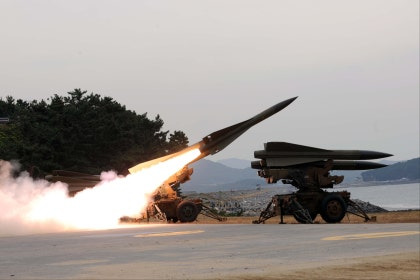
The HAWK missile defended friendly aircraft and key facilities from low and medium-altitude enemy aircraft, covering altitudes from 30 meters to 18 kilometers. Its high mobility and reliability made it a central component of air defense.
The HAWK launchers were trailer-mounted, carrying three missiles, and the HAWK batteries operated separately as batteries and firing platoons. This allowed them to perform missions day and night, in all weather conditions, and move on the ground or by air using vehicles or aircraft.
Retirement of the HAWK Missile Automated Fire Control Equipment
The HAWK missile automated fire control equipment retired after 39 years of air defense missions. Master Warrant Officer Choi Byeong-seon, who was responsible for the final power-down of the equipment, remarked, "I’ve been with the AN/TSQ-73 since I was a sergeant 33 years ago. Turning off the power for the last time feels like saying goodbye to an old friend."
The last piece of the HAWK equipment will be displayed at the 'Cheolmae History Hall' in the brigade headquarters. This exhibition will educate future generations about the history and role of the HAWK missile and instill a sense of pride in national defense.
Transition to Cheongung
Following the retirement of the HAWK missile, South Korea will transition to the Cheongung system, a domestically developed air defense system. The Cheongung will be controlled by the battalion operations control center, which previously managed the HAWK system.
Cheongung, a medium-altitude area air defense system, offers enhanced technology and reliability over the HAWK missile system. This transition will significantly bolster South Korea's air defense capabilities, marking an important milestone in national defense.
Conclusion
The retirement of the HAWK missile automated fire control equipment marks the end of an era in South Korea's air defense history. This transition to the new Cheongung system represents not only the replacement of an old weapon system but also a significant upgrade in the nation's defense capabilities. The Cheongung system, with its advanced features, will continue to protect South Korea's airspace, carrying forward the legacy of the HAWK missile.
Keywords
HAWK missile, MIM-23 HAWK, air defense missile, air defense operations control center, AN/TSQ-73, Cheongung, South Korea air defense, 1st Air Defense Missile Brigade, battalion operations control center, air defense system


Comments
Post a Comment